After nearly six months of searching for the very best teas Taiwan has to offer, I finally found the teas that felt right for this collection. From creamy, floral high mountain oolongs to rich, caramel-like black teas and delicate, peachy white teas, each one has its own personality, flavour and story.
What makes this collection particularly special is the people behind it. During my time in Taiwan, I had the opportunity to study Taiwanese tea, learn from experienced tea masters and visit local tea families. Some of my favourite discoveries came from unexpected friendships, impromptu tastings and long road trips through Taiwan’s beautiful mountain landscapes. Every tea in this collection has a story behind how I found it, and each was chosen because it offered something genuinely distinctive.
Taiwan has an extraordinary tea culture, with its mountain environments, unique cultivars and generations of craftsmanship producing some of the world's most expressive oolongs and speciality teas. I wanted this collection to reflect that diversity, bringing together teas that showcase different growing regions, processing styles and flavour profiles.
The collection includes:
Ruby Red 18 – 紅烏龍
A wonderfully smooth and complex tea that sits somewhere between an oolong and a black tea. Expect rich caramel, malty sweetness and chocolatey notes, balanced by a lingering sweetness. This was the first tea I discovered for the collection, after spending over four hours tasting different versions with my tea teacher. When I found this one, I knew it was something special.
Dong Ding Oolong – 凍頂烏龍
A classic Taiwanese oolong with a rich history spanning more than a century. This particular version is around 55% oxidised, creating a beautifully rounded cup with a velvety texture, gentle roastiness and nutty depth. I actually discovered it by accident after a local tea family invited me to a tasting at their home. Thank you to Xin Qing and family for introducing me to such a lovely tea!
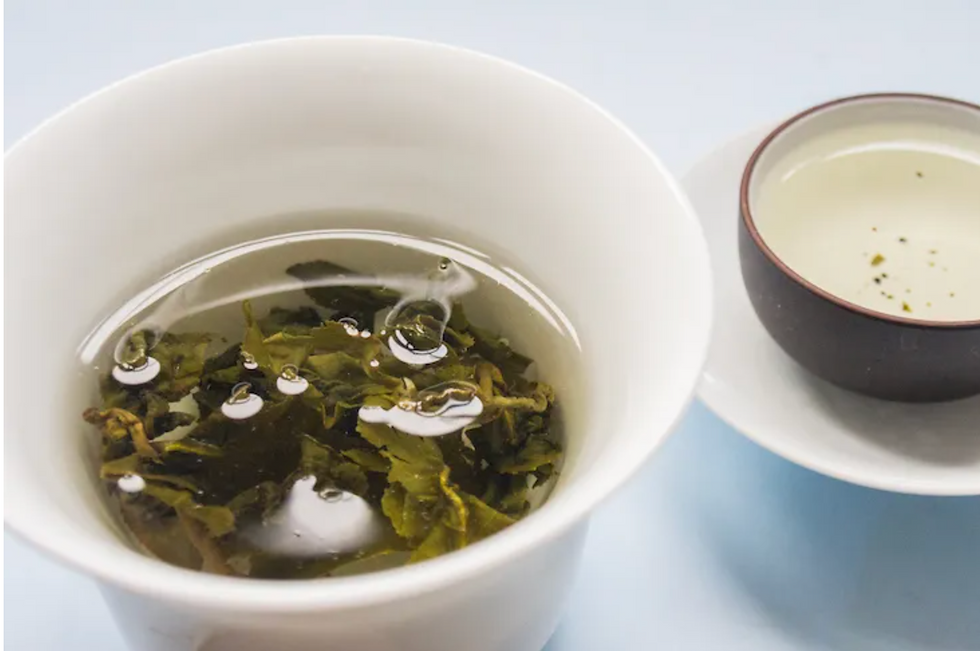
Shengtai White – 生態白茶
A delicate white-style tea made from the Jinxuan cultivar, with a flavour reminiscent of biting into a freshly washed peach. Pale golden in the cup, it combines honeyed florals with notes of apricot and soft orchard fruit. I discovered this one during a road trip through northern Taiwan, thanks to my friend Jiu, who introduced me to a wonderful local tea shop. Sixteen teas and two hours later, I had found my favourite white tea.
Fushou Lishan – 福壽梨山
A distinguished high mountain oolong grown at elevations of 1,200 metres and above. Smooth, creamy and refreshing, it offers delicate florals and natural sweetness, with layers of flavour that unfold through repeated infusions. Another discovery made possible by Jiu, this tea came from a secluded mountain tea field where we enjoyed traditional Taiwanese food and tasted a selection of beautiful oolongs.
Alishan – 阿里山
One of Taiwan's most iconic high mountain teas, celebrated for its creamy texture, vibrant floral aromas and gentle natural sweetness. Grown in the misty Alishan mountain range, it produces a beautifully balanced cup that evolves with each infusion. I found this tea through Wenxin, a tea master I befriended at tea school, who generously shared a bag with me after a tasting competition. Sometimes the best discoveries happen when you aren't even looking for them.
Cui Feng – 翠峰
A beautifully aromatic Taiwanese oolong with a creamy mouthfeel, fresh spring-flower notes and a bright golden liquor. Its complexity comes from the blending of different tea varietals, creating a delicate balance of florals and sweetness. This was the final tea I found for the collection, after an unexpected journey west towards Li Shan led me to a local family tea shop. They shared their personal favourite with me, and just like that, the search was over.
Together, these six teas capture the diversity and individuality of Taiwanese tea. From the rich sweetness of Ruby Red 18 to the delicate fruitiness of Shengtai White and the mountain florals of Alishan and Cui Feng, each offers a different way to experience Taiwan through a teacup.
I hope you enjoy drinking them as much as I enjoyed finding them!
For more information on how to brew each tea, along with to read about the stories and locals behind each one, read here.