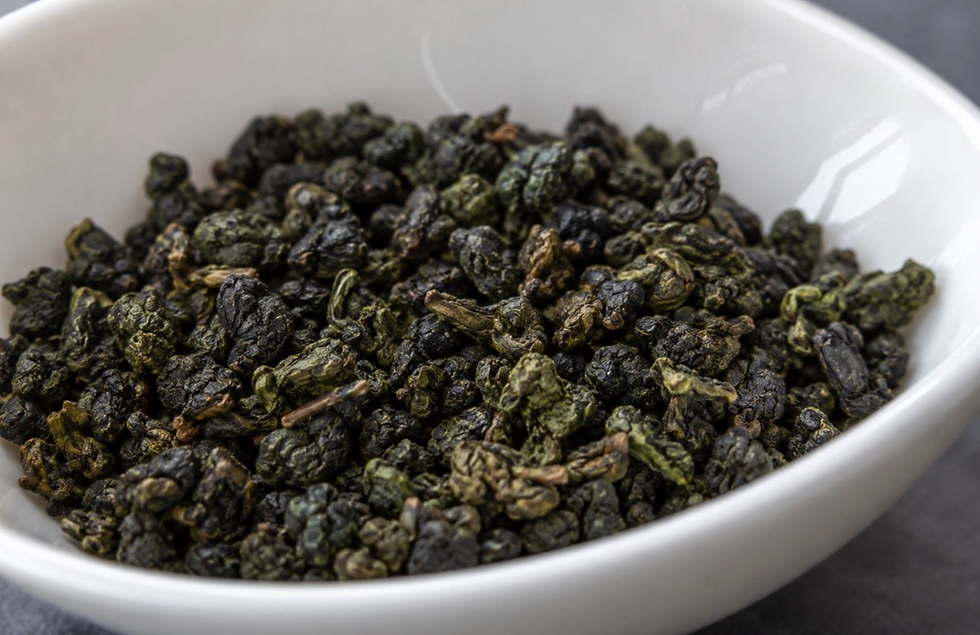
Goishicha is one of the rarest traditional teas in Japan, produced almost exclusively in the mountain town of Ōtoyo in Kōchi Prefecture on the island of Shikoku. Unlike conventional Japanese teas, which are typically fresh and unfermented, Goishicha belongs to the ancient family of post-fermented dark teas, a category more commonly associated with regions of China than Japan.
Its history stretches back roughly four centuries, with local accounts suggesting the tea was originally influenced by Chinese fermented tea traditions before evolving into something entirely distinct within the isolated mountain communities of Shikoku. At one point production nearly disappeared altogether, surviving through the efforts of only a handful of elderly producers before preservation cooperatives helped revive the craft.
What makes Goishicha extraordinary is its double fermentation process.
After steaming, the leaves first undergo aerobic fermentation with mould cultures spread across straw mats. The tea is then packed tightly into barrels and fermented a second time through anaerobic lactic acid fermentation, almost like pickling. This creates a flavour profile unlike almost any other tea: bright acidity layered over earthy depth, savoury umami, forest notes, dried fruit, and soft microbial funk.
The name “Goishicha” means “Go stone tea,” referring to the tea’s appearance after fermentation. The compressed leaves are cut into small dark squares resembling the black playing stones used in the board game Go.
In the cup, Goishicha opens with aromas of damp forest, ume plum, dried herbs, and fermented grain before developing notes of sour cherry, miso, mushroom, old wood, citrus peel, and earthy sweetness. The texture is smooth yet lively, finishing with a distinctive lactic brightness reminiscent of pickled fruit or sour beer while remaining surprisingly clean and refreshing.